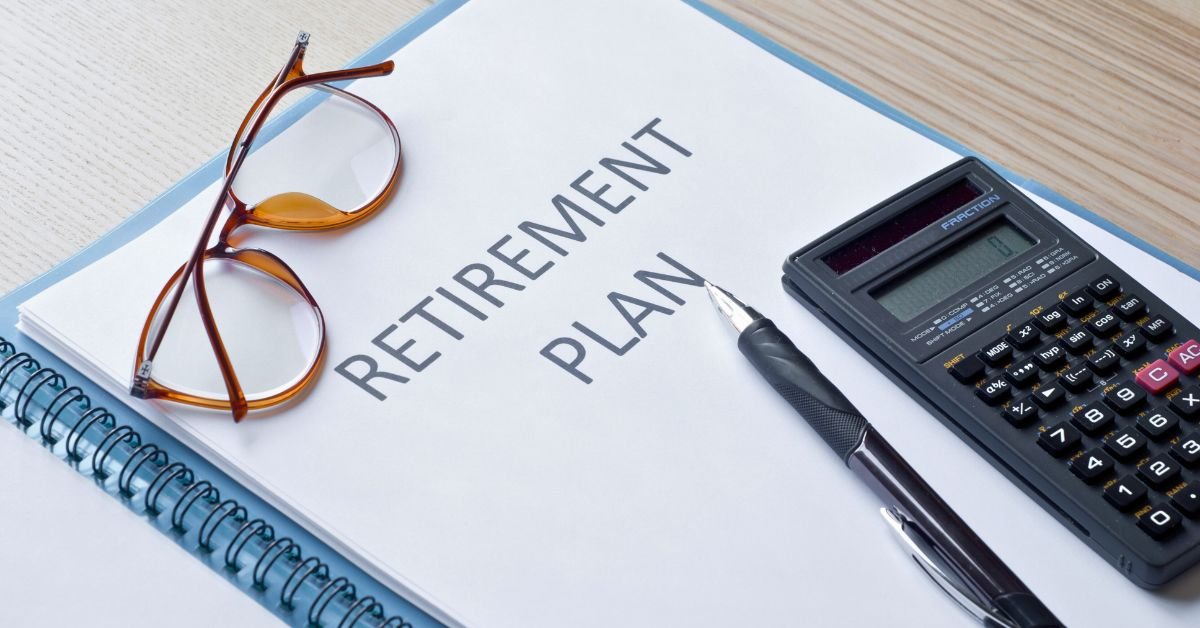
Your 30s are often filled with major life milestones—career growth, home ownership, marriage, and maybe raising a family. Yet amid these responsibilities, planning for retirement should become a financial priority. The earlier you start saving and investing, the more time your money has to grow through compound interest. By setting clear goals now, you can secure a future that allows flexibility and peace of mind later in life.
Many people in their 30s assume retirement is too far away to think about seriously. But this decade offers a unique advantage—time. The years between now and retirement can turn even modest contributions into a substantial fund, thanks to consistent saving, smart investment choices, and tax-efficient planning.
Building the foundation of your financial plan
The first step toward retirement readiness is understanding your current financial situation. Evaluate your income, expenses, and debts to determine how much you can save each month. Even small contributions to a retirement account can make a big difference over time. Setting a budget that includes consistent saving is key to long-term success.
If your employer offers a 401(k) plan, take full advantage of it—especially if they provide a matching contribution. This is essentially free money that accelerates your progress. For those without access to an employer plan, an IRA or Roth IRA is an excellent alternative. Both accounts offer tax benefits that can help your savings grow faster.
With a traditional IRA, contributions may be tax-deductible, reducing your taxable income in the current year. A Roth IRA, on the other hand, is funded with after-tax dollars but allows tax-free withdrawals in retirement. Balancing both types can provide flexibility later, depending on how tax laws or your income change over the years.
Why starting early matters
Saving for retirement in your 30s gives you one of the most valuable financial advantages—time. The longer your money stays invested, the greater the impact of compound interest. Even modest contributions can grow exponentially if invested early. Waiting even ten years to start can mean the difference of tens or hundreds of thousands of dollars by retirement age.
Investing in your 30s also allows you to take on a higher level of risk, since you have more time to recover from short-term market fluctuations. Stocks, index funds, and mutual funds can deliver stronger returns over the long term compared to low-yield savings accounts. As you approach your 40s and 50s, gradually shifting to more conservative investments helps protect the wealth you’ve built.
Retirement planning in your 30s is also about building habits. Setting up automatic contributions to your retirement accounts ensures consistency and reduces the temptation to spend money that could be saved. Over time, increasing your contributions annually or after each raise will help you stay on track toward your goals.
Managing debt while saving for retirement
Balancing debt and savings can feel overwhelming, but the two can coexist. It’s important not to delay retirement planning while paying off student loans or credit card balances. Prioritize paying high-interest debt first while continuing to make regular contributions to your retirement accounts.
Many financial advisors recommend setting aside at least 10 to 15 percent of your income for retirement once debts are under control. If that’s not feasible immediately, start smaller and increase the amount over time. The key is consistency, even during years when other financial obligations take priority.
Insurance coverage also plays an important role in financial stability. Health, disability, and life insurance protect your income and your family’s future, ensuring that unexpected events don’t derail your retirement plans.
Investing smartly for long-term growth
Your 30s are a great time to explore investment options that align with your goals and comfort level. Diversifying your portfolio across various asset classes—stocks, bonds, and real estate—helps reduce risk while maintaining growth potential.
A mix of low-cost index funds and mutual funds can serve as the foundation for a balanced portfolio. Consider setting up automatic monthly investments, which not only build discipline but also take advantage of dollar-cost averaging.
If your employer offers a retirement account, review the available investment options and ensure your allocations match your risk tolerance and long-term goals. Reassessing your portfolio annually helps you stay aligned with market changes and personal circumstances.
Working with a financial advisor can provide valuable guidance. An advisor can help tailor an investment strategy that accounts for taxes, contributions, and future income goals. They can also assist in planning for major life events, like buying a home or starting a family, while keeping retirement on track.
Setting realistic goals for your future
Planning for retirement isn’t just about saving money—it’s about defining the lifestyle you want later in life. Think about what kind of income will support that vision. Will you want to travel, start a business, or live comfortably without working?
Setting specific targets helps shape your contribution strategy. Online retirement calculators can estimate how much you need to save each month based on your age, income, and investment performance. Reviewing these goals every year allows adjustments as your career and life evolve.
It’s also important to build an emergency fund to cover short-term needs without disrupting long-term investments. Having cash reserves equal to three to six months of living expenses ensures that unexpected costs don’t force you to dip into your retirement accounts prematurely.
Finally, consider tax diversification as part of your broader plan. Contributing to both traditional and Roth accounts, along with taxable investments, gives you flexibility to manage income and withdrawals efficiently in retirement.
The power of consistency and compounding
The most effective retirement plans are built on consistency. Regular contributions, automatic investing, and mindful spending habits add up over time. In your 30s, even modest efforts can compound into financial freedom later in life.
A well-structured plan doesn’t have to be complicated. By saving regularly, investing wisely, and taking advantage of tax benefits, you can create a financial foundation that supports your future goals.
Retirement planning is about more than money—it’s about time. The earlier you start, the more freedom you’ll have to live life on your terms when you’re ready to step away from work.
FAQ: how to plan for retirement in your 30s
When should I start saving for retirement?
The best time to start is now. Saving even small amounts in your 30s allows compound interest to work over time, growing your future wealth.
How much should I save each month?
Aim to save 10 to 15 percent of your income for retirement. If that’s not possible yet, start with what you can and increase contributions as your income grows.
Should I choose a traditional IRA or Roth IRA?
It depends on your tax situation. Traditional IRAs offer upfront deductions, while Roth IRAs provide tax-free withdrawals in retirement.
Can I invest while paying off debt?
Yes. Continue contributing to your retirement accounts while managing high-interest debt strategically. Consistency is key.
Do I need a financial advisor?
A financial advisor can help you set goals, manage investments, and make tax-efficient decisions that support long-term retirement success.
Why is starting early so important?
Because time multiplies your savings. The earlier you begin, the longer your investments can grow through compound interest, reducing the pressure to save more later.




Leave a Reply